FROM BEIRUT TO BUILDING A GLOBAL BUSINESS.
THE HARDER LESSONS CAME AFTER.
I started with very little. Over two decades, I worked from warehouse operations through executive leadership to entrepreneurship, ownership and investing.
Along the way, I made money, lost money, and learned how differently you think when the capital at risk is your own.

I DIDN'T START WITH CAPITAL.
I STARTED WITH WORK.
I grew up in Beirut, where uncertainty was familiar and opportunity rarely arrived neatly packaged. My first jobs were not glamorous. I worked in warehouses, data entry, logistics and inventory, then moved through buying, management and leadership.
In 2004, I moved to Dubai. I didn't arrive with a sophisticated plan for investing. I wanted to work, learn and build something better.
Those years gave me a foundation I still value: understanding how a business actually operates before making assumptions about what it is worth.
BUILDING SOMETHING BIG DOESN'T MEAN YOU'VE FIGURED EVERYTHING OUT.
I have made investment decisions I would not make again. One period of trading ended in a loss of approximately $650,000. The Lebanese banking crisis was another hard lesson in how quickly access to capital can change.
The part that stays with me is not only the money. It is the consequence of acting without enough discipline, relying too heavily on assumptions, and allowing concentration to limit your choices.
I USED TO ASK:
HOW MUCH CAN THIS MAKE?
NOW I ASK: WHAT IF I'M WRONG?
I've become much more interested in the quality of an investment decision than the excitement of an opportunity. A persuasive pitch is not evidence. Growth is not liquidity. A great business is not automatically a great investment.
- 01What is the real opportunity?
- 02What evidence supports the claims?
- 03What happens if the assumptions fail?
- 04Who controls the decisions and the capital?
- 05When and how can the capital come back?
FROM BUILDING BUSINESSES TO DECIDING WHAT DESERVES CAPITAL.
Today, I spend more time thinking about ownership, risk, alignment, liquidity and capital allocation. I study businesses and opportunities with the benefit of operating experience—and an awareness of how much there is still to learn.
My goal is not to be involved in every opportunity. It is to make fewer, better decisions, preserve the freedom to be patient, and build relationships with people who care as much about downside as upside.
I'm sharing this work as I go: the questions, lessons and occasionally uncomfortable realities behind the decisions.
Deciding what deserves your capital is another.
IF OUR THINKING OVERLAPS,
THERE'S MORE TO EXPLORE.
Read what I've learned, use a free decision tool, or introduce yourself. No course, no promised returns, and no gated access to the tool.
MINDVESTOR
First-person notes on business ownership, investing, risk and the decisions that shape long-term outcomes.
READ THE LETTER ↗THE DEAL FILTER
A free, practical pre-diligence tool to explore claims, downside and questions that remain unanswered.
EXPLORE THE TOOL ↗MEANINGFUL CONVERSATIONS
Relevant conversations with founders, operators and investors. Please avoid confidential details in your introduction.
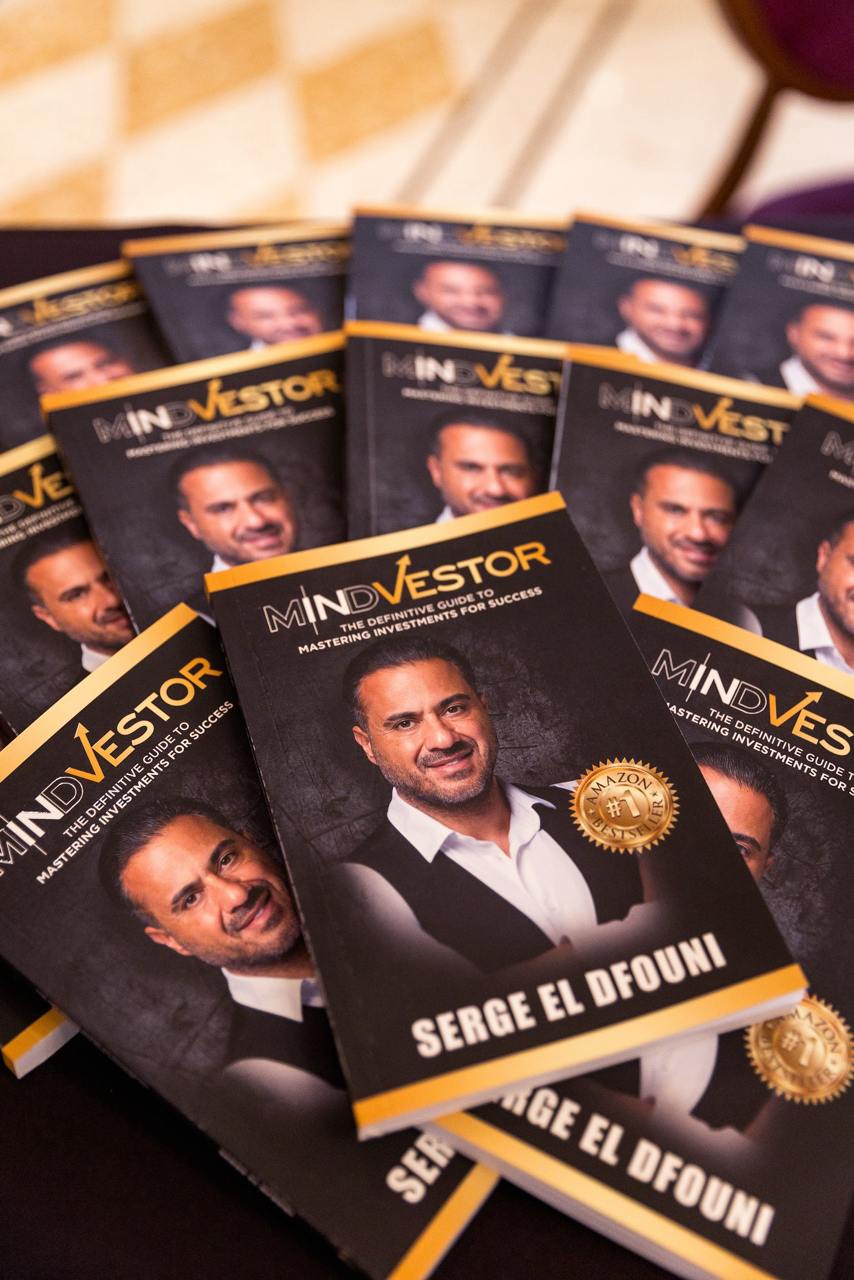
INTRODUCE YOURSELF ↗I've also written a book about lessons from the journey. Explore the Mindvestor book ↗
